Coming Back to Life: A Somatic Approach to Spring Rituals
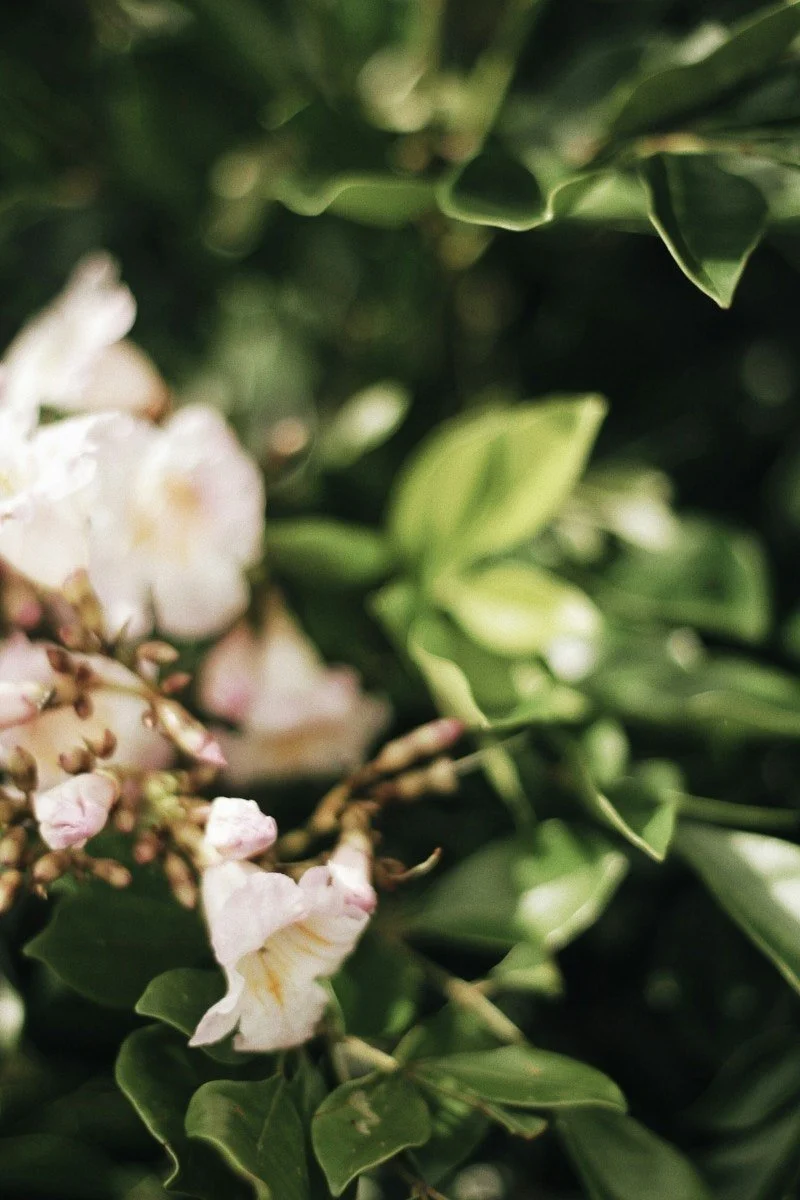
Do you get that flutter in your chest when you notice the first crocus pushing through the soil, or the cherry blossoms bursting into pink buds following shortly after? The first taste of spring is always a small celebration. Here in Seattle, even before the clocks change, there’s a moment when you notice the light has shifted. Something in your body recognizes this before your mind.
Connecting with the seasons is our birthright, something humans have always done. Spring, especially, is a moment when the body unconsciously begins to release the heaviness, depletion, and disconnection that can accumulate through the dark, damp winter months, quietly beginning to prepare for renewal.
Developing Body Awareness
Why Your Body Knows Spring Before You Do
We talk about seasonal change as if it’s primarily something we observe. But our nervous systems are in constant conversation with our environment. Increased daylight, warmer temperatures, the sounds of birds returning, and the smell of wet earth after rain aren’t just pleasant sensory experiences. These are biological cues that shift our physiology.
From a somatic perspective, this matters enormously. Somatic therapy is rooted in the understanding that the body holds our experiences, including our stress, our grief, and our unprocessed emotions, and that healing happens not just through insight, but through the body itself. When we begin to engage with the natural world consciously and intentionally, we’re not just enjoying a walk outside. We’re offering our nervous systems new information and inviting a shift.
For those navigating anxiety or burnout, this shift can feel almost revolutionary. Anxiety and burnout are, at their core, nervous system states. Anxiety is the body braced for threat, unable to fully exhale. Burnout is the body after it’s been running on empty for too long, finally shutting down. Both are signals. Both deserve a response that goes deeper than productivity hacks or positive thinking.
Spring, and the rituals we can build around it, offer exactly that.
The Power of Ritual in a Dysregulated World
Ritual is intentional repetition of a practice. When you engage in ritual, you do so with the awareness that you are marking moments that might otherwise blur into the background of a busy life.
For the nervous system, ritual is regulating. Predictable, meaningful sequences of action tell the body: this is safe, this matters, you are here. In a world that often demands we be everywhere at once, ritual is an act of grounding.
Spring is one of the most natural times to establish new rituals, because the season itself is already asking us to change. The question is whether we’ll participate consciously or simply let it pass by while we stare at our screens.
Four Spring Rituals Rooted in Somatic Awareness
1. A Morning Light Practice
Before you reach for your phone, spend five minutes outside in the morning light. Stand barefoot if you can. Feel the temperature of the air on your skin. Notice what your body does when you breathe in. Morning light exposure also regulates your circadian rhythm and cortisol response, which directly impacts anxiety levels throughout the day.
2. A Weekly Walk with No Destination
Not a workout. Not a podcast walk. A walk where the only goal is to notice. What’s blooming? What does the bark of that tree feel like under your hand? Where does your body want to slow down, or speed up? This kind of unstructured movement in nature is one of the most underrated somatic practices available to us.
3. Seasonal Eating as Body Attunement
Spring produces specific foods, such as asparagus, peas, leafy greens, and radishes, and eating with the season is a quiet but powerful way to align the body with its environment. Notice how different foods feel in your body. Notice what you’re craving versus what you’re reaching for out of habit or stress.
4. An Intentional Letting-Go Practice
Many traditions mark spring as a time of release, clearing out what’s no longer needed to make room for new growth. You can do this somatically by writing down what you’re releasing, reading it aloud (the voice activates the body in ways that silent reading doesn’t), and then destroying the paper intentionally by burning it, burying it, or tearing it up and throwing it away. For many people, the physical act of letting something go creates a felt shift.
You Don’t Have to Earn the Renewal
Here’s what I want you to know, especially if you’re in the thick of burnout or moving through a season of anxiety: you don’t have to be okay to experience the gifts of spring. You don’t have to have it together to step outside and let the light land on your face.
The season doesn’t ask anything of you. It just keeps moving, keeps blooming, keeps offering.
Somatic therapy teaches us that healing is rarely linear, and it rarely looks like we expect it to. Sometimes it looks like standing outside for five minutes before the rest of the world wakes up. Sometimes it looks like finally exhaling.
Spring is here. Your body already knows.
Learn More About Trauma Recovery: